
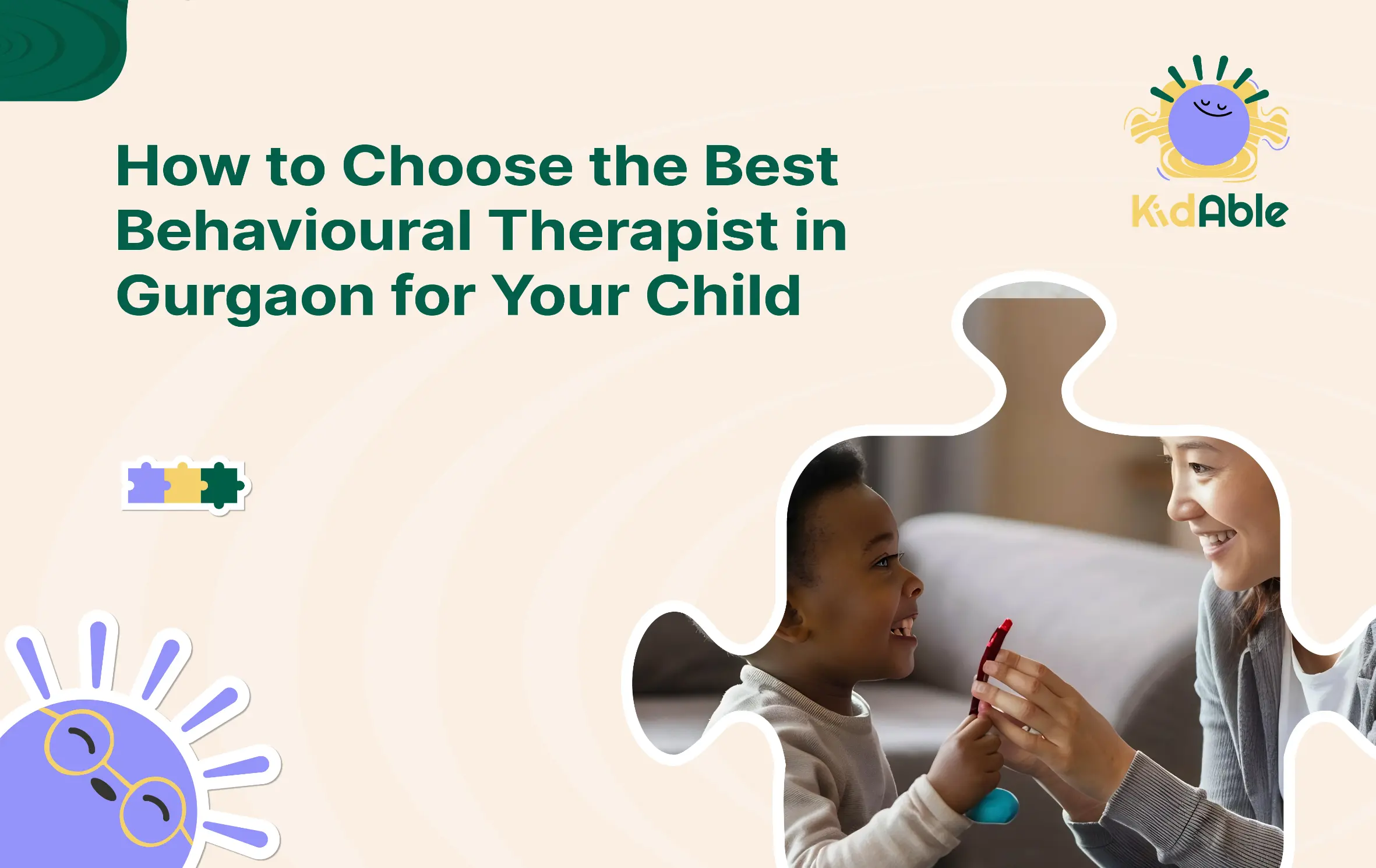
When a child faces emotional, social, or behavioural challenges, the first instinct for most parents is to understand why. They want to know what their child is feeling, thinking, or struggling with beneath the surface. This curiosity, coupled with care, is where behavioural therapy comes in. It’s not about changing who a child is, it’s about gently supporting them in understanding their emotions, thoughts and actions. The growing emphasis on emotional and behavioural wellness has made Gurgaon a key destination for families seeking the best behavioural therapists in Gurgaon, with trusted centres like KidAble leading the way.
Key Takeaways
- Behavioural therapy focuses on emotional awareness and positive behavioural patterns rather than correction or punishment.
- The best behavioural therapist in Gurgaon focuses on building trust and personalized support for every child.
- Behaviour therapy differs from discipline because it teaches understanding, not compliance.
- There are multiple evidence-based forms of behavioural therapy including Cognitive Behavioral Therapy, Play Therapy, ACT and DBT.
- Insurance coverage for behavioural therapy can vary depending on the provider and policy specifics.
- Finding the right child behavioural therapist in Gurgaon involves focusing on experience, empathy and approach.
What Does a Behavioral Therapist Do?
A behavioural therapist works closely with children and families to understand how thoughts, feelings and actions interact. Instead of labeling behaviours as good or bad, they focus on what each action might be communicating. For instance, when a child shows defiance or withdrawal, a therapist looks beyond the behaviour to explore triggers, unmet needs, or emotional distress.
Sessions often involve structured yet playful interactions designed to make children feel safe and understood. Over time, children learn to recognize their emotions, develop coping strategies and express themselves more effectively. Parents, too, become active participants, learning ways to nurture growth without reinforcing negative patterns.
In Gurgaon, behavioural therapy has evolved significantly, with trained professionals offering evidence-based, child-centered care rooted in warmth, patience and understanding.
What Makes Behaviour Therapy Different from Discipline?
Many parents wonder if behavioural therapy is simply an advanced form of discipline. It isn’t. Discipline is about guiding behaviour through consequences; behavioural therapy is about understanding the ‘why’ behind a behaviour and addressing it from within.
For example, while discipline may focus on stopping tantrums, a behavioural therapist explores what triggers them. Is it frustration? sensory overload? difficulty expressing emotions? overstimulation? This deeper exploration helps children develop emotional regulation rather than fear-based compliance.
This distinction is vital. Children supported through behavioural therapy grow emotionally resilient and self-aware. They learn to navigate situations, not just obey instructions. The best child behavioural therapists in Gurgaon ensure that therapy sessions create safe spaces for learning without shame or punishment.
Types of Behavioral Therapy
Every child experiences the world differently, and so the approach to supporting them must reflect that uniqueness. Behavioural therapy isn’t a uniform approach, it offers a range of techniques tailored to each child’s emotional and developmental needs. From structured cognitive strategies to creative play-based sessions, these therapies guide children toward understanding their thoughts, expressing feelings safely and building lifelong coping skills.
Cognitive Behavioral Therapy
Cognitive Behavioral Therapy (CBT) helps children recognize unhelpful thoughts that influence their actions. For instance, a child who feels they’re “not good enough” may act out or withdraw. CBT gently challenges these beliefs and replaces them with more balanced perspectives. Therapists use engaging conversations, drawings, or stories to make the process relatable and age-appropriate. CBT is often used for managing anxiety, social difficulties and emotional regulation challenges among children.
Cognitive Behavioral Play Therapy
Children express their inner world through play. Cognitive Behavioral Play Therapy (CBPT) uses toys, games and imaginative scenarios to help children process emotions safely. When a therapist observes how a child plays, they gain insights into their emotional landscape. Through guided play, the therapist introduces concepts of problem-solving, empathy and resilience. Many top child behavioural therapists in Gurgaon integrate this form of therapy to make sessions more approachable and effective.
Acceptance and Commitment Therapy (ACT)
Acceptance and Commitment Therapy helps children understand that emotions, both pleasant and uncomfortable, are part of life. Rather than avoiding or fighting feelings, ACT teaches them to observe emotions and act in ways that align with their values. This can be particularly beneficial for children struggling with anxiety or perfectionism. By learning to accept emotions without judgment, children build self-compassion and confidence.
Dialectical Behavioral Therapy (DBT)
DBT combines acceptance with change. It’s especially supportive for children who experience intense emotions or mood swings. Therapists use mindfulness, emotional regulation, distress tolerance and interpersonal effectiveness techniques to help children stay grounded. In Gurgaon, DBT-based approaches are used not only for older children but also adapted gently for younger ones with emotional intensity or self-regulation challenges.
Helpful Techniques of Behavioral Therapy
Every therapeutic journey involves practical tools that bring emotional learning to life. In behavioural therapy, these techniques bridge understanding with real-world application, helping children gradually shift from awareness to action. They make therapy tangible by teaching calmness, courage and control through steady practice. For many children, these methods are where real progress begins, as they learn not only to manage their emotions but to trust themselves through each small victory.
Developing Fear Hierarchies
Developing fear hierarchies is a foundational behavioural therapy technique that uses gradual exposure to desensitize anxiety triggers. The therapist and child work together to identify specific fears, ranging from least to most distressing, often scaling them from 1 to 10. For instance, if a child fears dogs, they might first look at pictures, then watch videos and eventually meet a calm dog under supervision. Each stage is practiced until comfort grows, making fear manageable rather than overwhelming. This structured approach helps the child build confidence through mastery and reduces avoidance behaviours.
Graded Exposure
Graded exposure is a proven technique derived from exposure therapy, where children learn to face their fears in carefully measured steps. It is particularly effective for managing anxiety, phobias or OCD behaviours. Therapists design progressive scenarios that gently challenge avoidance patterns, each step encouraging the child to tolerate discomfort in a safe setting. This steady repetition rewires the brain’s response to fear, helping children realize that anxiety naturally decreases with practice. Over time, they develop resilience and self-assurance in previously stressful situations.
Response Prevention
Response prevention, often paired with exposure therapy, focuses on breaking the link between a distressing trigger and a habitual reaction. In this method, the therapist supports the child in resisting the urge to perform repetitive or avoidant behaviour, such as reassurance-seeking or compulsive routines. Through guided reflection and emotional regulation techniques, the child learns to sit with discomfort until it fades naturally. This process strengthens emotional control and reduces dependency on unhelpful coping mechanisms. Over time, response prevention cultivates tolerance, patience and improved self-regulation skills that extend beyond therapy into daily life.
Behavior Therapy for Autism
For children on the autism spectrum, behaviour therapy can be transformative. It’s not about changing who they are, it’s about supporting them in navigating the world more comfortably. Therapists use structured routines, visual aids and positive reinforcement to teach adaptive behaviours and communication strategies.
Many therapists adopt a multidisciplinary approach that combines behavioural therapy with speech and occupational therapy. This ensures holistic growth; emotionally, socially and cognitively. With consistent support, children often show improvements in social interaction, communication and daily adaptability.
Parents are key partners in this journey. The most effective programs integrate family sessions to ensure progress continues beyond the clinic. When parents, caregivers and therapists work together, the environment becomes nurturing and predictable, both of which are essential for a child’s growth.
Finding the Right Behavioral Therapist in Gurgaon
Tuhina Agarwal
Ms. Tuhina Agarwal is a child development professional at KidAble, Gurgaon, where she works closely with children and families around emotional regulation, behavioural understanding, and everyday coping skills. Her approach is gentle, relationship led, and grounded in evidence based practice, with strong emphasis on collaboration with parents. Tuhina believes that behaviours are a form of communication and focuses on understanding the underlying needs behind them. Through a calm and supportive process, she helps children feel safe, understood, and better equipped to navigate their emotions and daily environments.
Address – KidAble, G27, Ground Floor, Phase 2, Sushant Lok 2, Sector 57, Gurugram, Haryana 122011
Ms. Juli Sengar
Ms. Juli Sengar is a compassionate and approachable behavioural therapist who works closely with children and families to support emotional and behavioural growth. Trained in Cognitive Behavioural Therapy, she focuses on helping children understand their thoughts, emotions, and responses in a gentle and age appropriate way. Her sessions are structured yet warm, allowing children to feel safe while learning practical strategies for regulation and coping. Ms. Juli values collaboration with parents and caregivers, offering clear guidance that can be carried into everyday routines. Her calm presence and thoughtful approach help create a supportive space where children can build confidence, resilience, and emotional understanding over time.
Address – Q, 50, Block Q, South City I, Landmark: Green wood city, Gurgaon
Dr. Jasdeep Saluja
Dr. Jasdeep Saluja is a thoughtful and experienced mental health professional who works with a balanced, compassionate approach. With training in psychiatry and Cognitive Behavioural Therapy, he supports children, adolescents, and adults in understanding emotional patterns, behavioural responses, and overall mental wellbeing. His work is guided by careful listening, clear assessment, and a steady, reassuring presence. Dr. Saluja believes in combining clinical insight with empathy, ensuring that individuals and families feel informed and supported rather than overwhelmed. Known for his calm manner and collaborative style, he focuses on creating personalised care plans that encourage stability, self awareness, and meaningful progress over time.
Address – Plot Number 202, Landmark: Near DPS Public School, Gurgaon
Dr. Anil Kumar
Dr. Anil Kumar is an experienced and empathetic mental health professional who supports individuals and families through thoughtful, evidence based care. With training in psychiatry and Cognitive Behavioural Therapy, he works to help individuals better understand their thoughts, emotions, and behavioural patterns. His approach is calm and structured, creating a safe space where concerns can be explored without judgment. Dr. Kumar places importance on clear communication and collaborative planning, ensuring families feel involved and supported throughout the process. Known for his steady guidance and respectful manner, he focuses on building emotional balance, coping skills, and long term wellbeing at a comfortable and sustainable pace.
Address – Hebawas, Ramgarh, Gurugram, Landmark: Behind Orana Convention Centre, Gurgaon
Dr. Ashish Kumar Mittal
Dr. Ashish Kumar Mittal is a compassionate and well regarded mental health professional known for his calm and balanced approach to care. Trained in psychiatry and Cognitive Behavioural Therapy, he supports individuals across different age groups in understanding emotional concerns and behavioural patterns with clarity and sensitivity. His sessions focus on careful listening, structured guidance, and practical strategies that feel manageable in everyday life. Dr. Mittal values collaboration with families and believes that emotional wellbeing develops best when individuals feel heard and supported. With a steady and reassuring presence, he works towards fostering insight, resilience, and meaningful emotional growth over time.
Address – Plot Number 202, Landmark: Near DPS Public School, Gurgaon
Conclusion
Behavioural therapy represents a profound intersection of science and empathy. It is a process that rewires how children connect with their inner world and their surroundings. It empowers them to understand their triggers, to respond with mindfulness and to build emotional resilience that sustains far beyond the therapy room. Gurgaon’s growing community of trained specialists, including centres like KidAble, reflects this evolving understanding of child psychology. They don’t just focus on improving behaviour, but they cultivate emotional intelligence, communication and trust also. When families and therapists work as one, transformation unfolds quietly but deeply through consistency, warmth and the belief that every child can learn to thrive in their own beautiful rhythm.
FAQs
What are the three types of behavioral therapy?
The three primary types are Cognitive Behavioral Therapy (CBT), Cognitive Behavioral Play Therapy (CBPT) and Acceptance and Commitment Therapy (ACT). Each works differently but shares the goal of helping children understand and manage their thoughts, feelings and actions effectively.
What are the 3 C’s of behavioral therapy?
The 3 C’s are catch it, check it, change it. It refer to how we identify unhelpful thoughts, assess them for accuracy and replace them with balanced alternatives. This process helps children develop healthier emotional and behavioural patterns.
How long does behavioural therapy take to show results?
The time duration varies for each child. Some begin showing positive behavioural changes within a few weeks, while others may need several months of consistent sessions. Progress depends on several factors such as the child’s unique challenges, family involvement and frequency of therapy sessions.
Can parents participate in behavioural therapy sessions?
Yes, parent participation is often encouraged and required also. Involving parents ensures that the strategies used in therapy are reinforced at home. This collective approach helps children feel more supported and allows families to maintain consistency in nurturing behavioural and emotional growth.
Is behavioural therapy covered by insurance?
Coverage can vary. Some Indian insurance providers include behavioural and mental health services under wellness or developmental therapy sections. It’s always recommended to check with your specific provider and clarify coverage terms before beginning therapy.